
Blogs

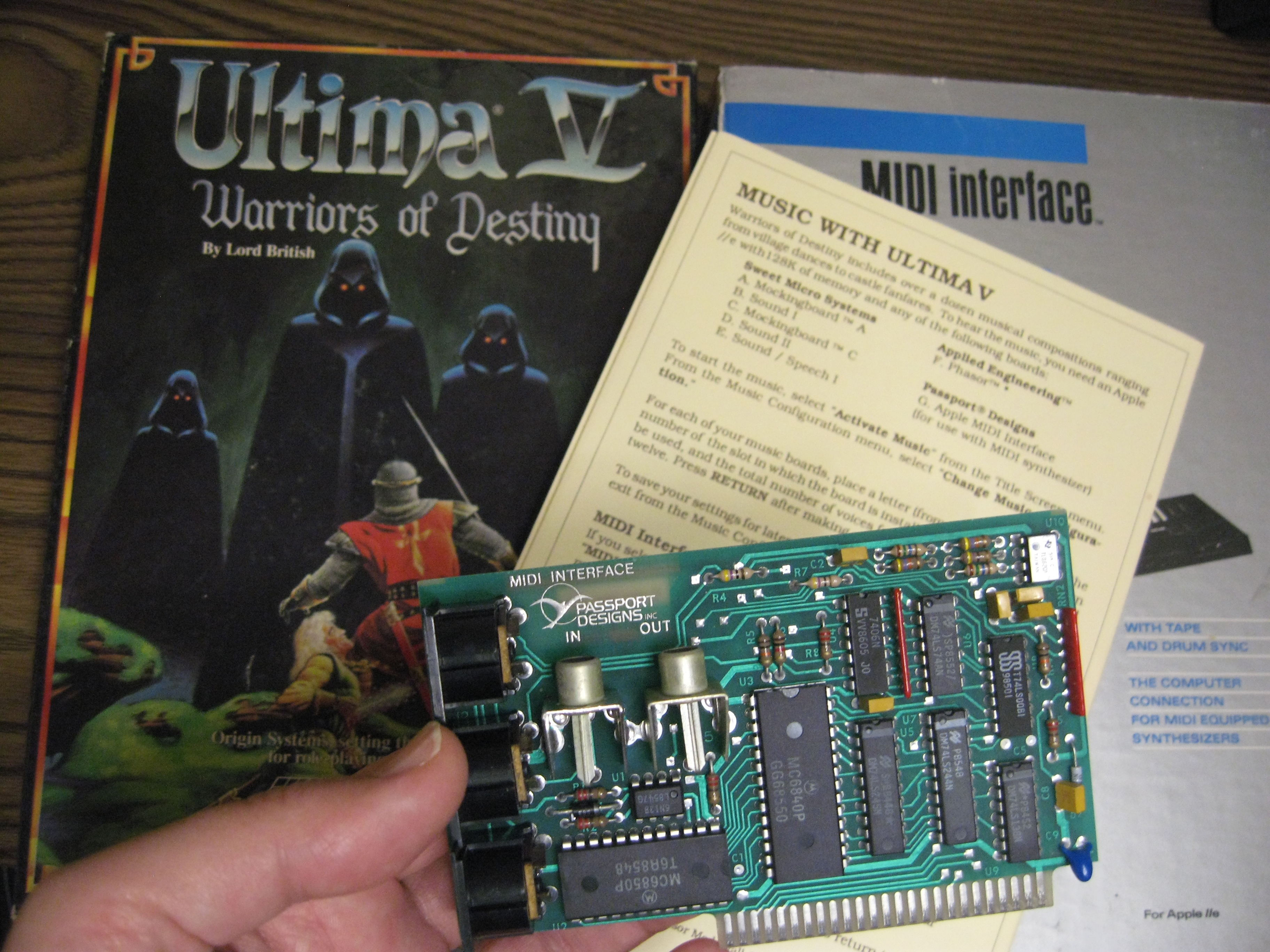
Ultima V MIDI with hidden arrangements

For preservation:

A collection of MIDI files extracted from Ultima V in 1995, copied through a MIDI cable to a Roland SCC-1, saved for decades on a 3½" floppy disk, reproduced here on a GS-compatible Roland MT-120.

A full performance is recorded here, and on YouTube.

Artifacts hidden inside the MIDI data reveal hidden arrangements and sound effects that were not reproduced during game play -- including percussion and sound fx that were probably reproducible only on the original composer's equipment.

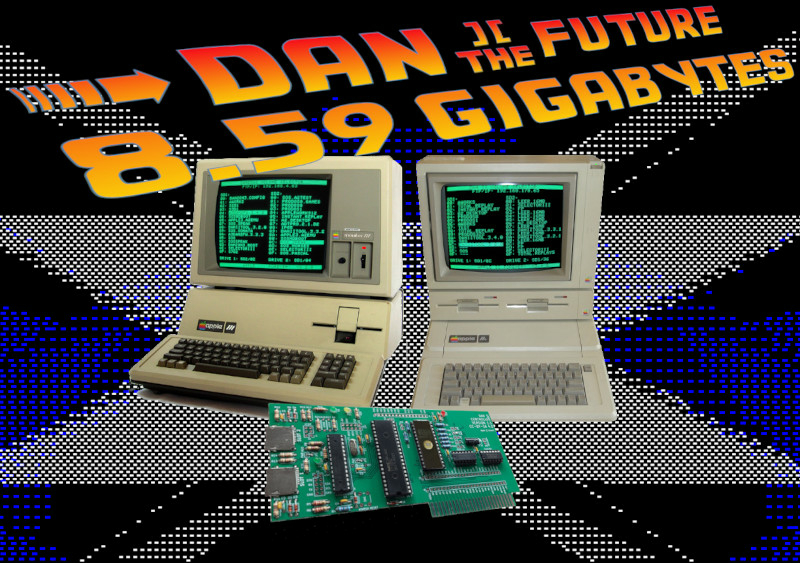
DAN ][ THE FUTURE: Boosting your favourite 80s machine to "8.59 jigobytes"

Imagine in 1980-something you started your Apple ][, /// or //e - and you had 8 gigabytes of storage... Mind blowing?

Well, if you have a DAN][ Controller card, you can now easily boost your 1980s machine to 8GB. In decimal numbers, the maximum usable storage now supported by the DAN][ Contoller is actually 8.59GB. That would certainly have spooked Doc Emmett Brown in 1985 - though he'd have pronounced it "8.59 jigobytes", of course... But no need to accelerate to "88 miles per hour". All it takes is a simple firmware update.

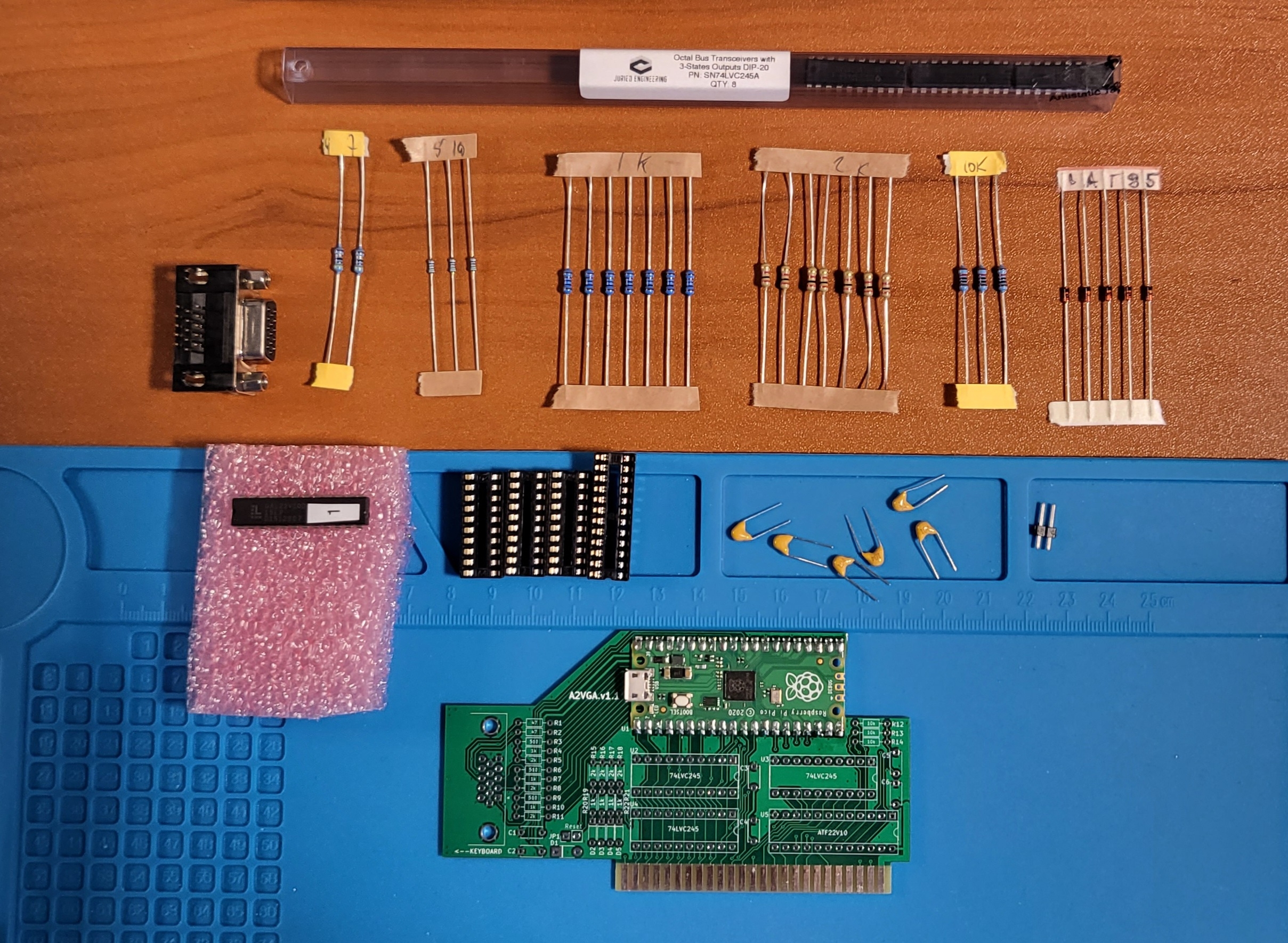
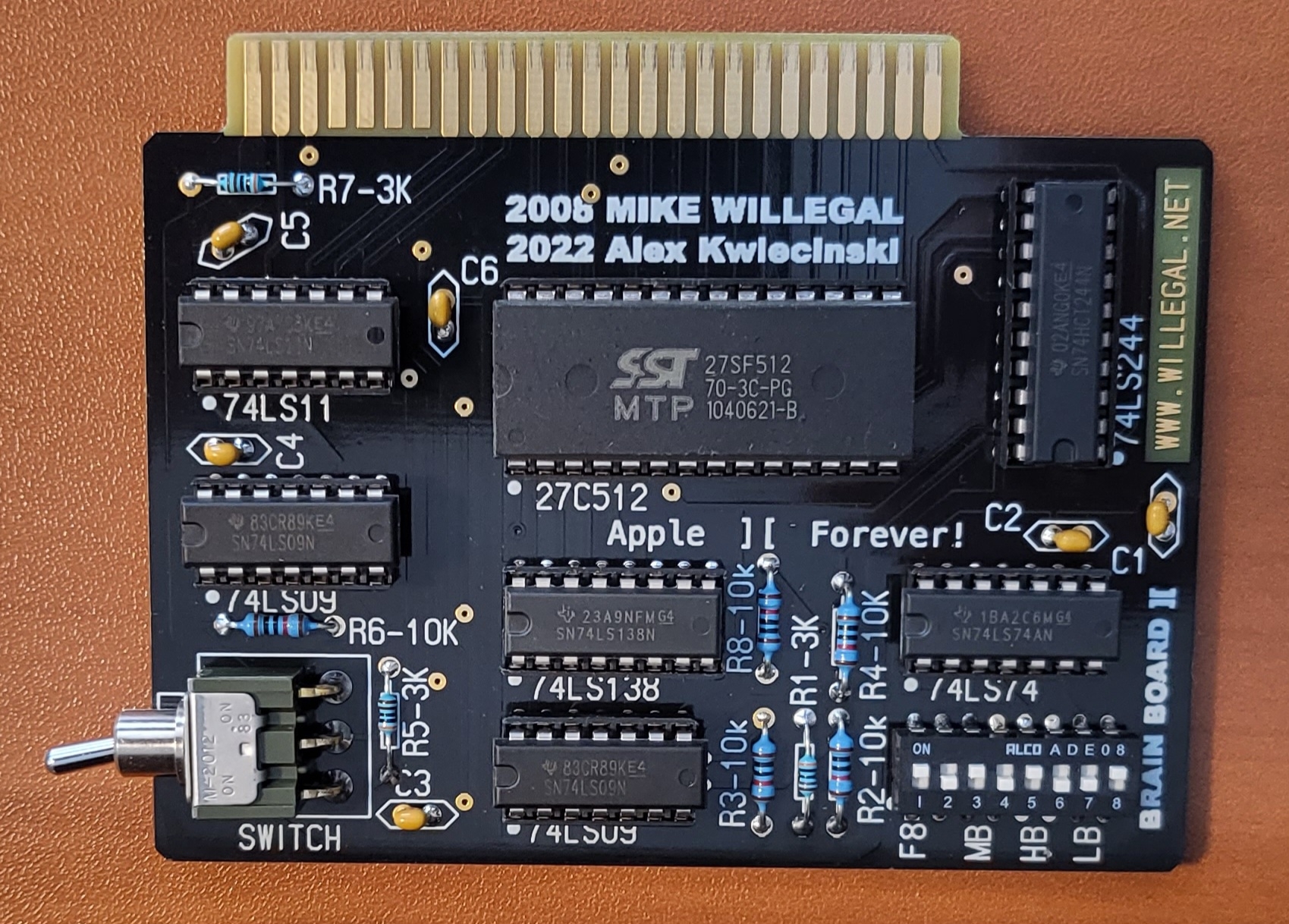
The Brain Board II: Bringing Integer BASIC and Apple 1 emulation to your Apple IIe/II+ with a single card

I have released an updated ROM for the Brain Board II, with the focus on making it a true dual purpose card. This allows a user (especially with known good Applesoft BASIC roms / IIe system ROMs in their system) to bring Wozaniam (Apple 1) mode and Integer BASIC to a system with one card, and also always leave the systems own ROM space usable. This is nice if you have a system already nearly full of expansion cards and your ROM version is happy as-is, since previously to have both integer and applesoft BASIC with this card, you had to disable your system ROMs entirely.

Tags: 

UNCLE BERNIE'S CODEBREAKER GAME

A preview of the the readme.md file that will be hosted on GitHub, along with my Python implementation of the game known as UNCLE BERNIE'S CODEBREAKER GAME

Tags: 

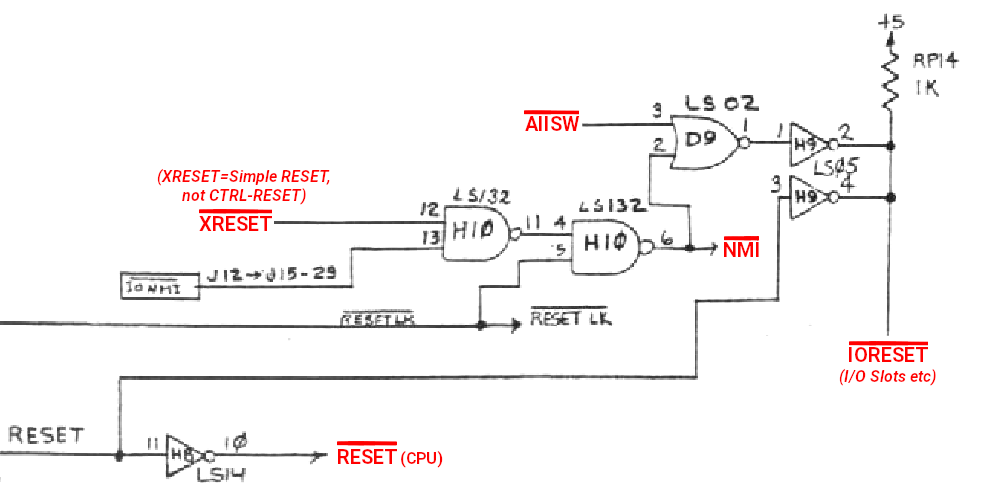
Apple /// Reset Logic & Apple II Emulation Flaws

I recently ported software from the Apple II to Apple III and encountered an interesting topic. It's a corner case, but in my opinion a typical example. It shows how the Apple III design was sometimes (maybe unnecessarily) complicated. And how features introduced Apple II compatibility issues.

The (not so) subtle differences between 6502 assemblers...

Oh man... I was not aware of the pitfalls when switching between different 6502 assemblers. Until now, when I tried to reuse an old assembly listing (from Apple II assembler/editor) with the ca65 cross-assembler...

Carefully compare the definition of the > and < operators to obtain the low or high byte of an 16bit address - in these two excerpts from the respective manuals...

Using the "Phi1 Echo" to distinguish disk controllers

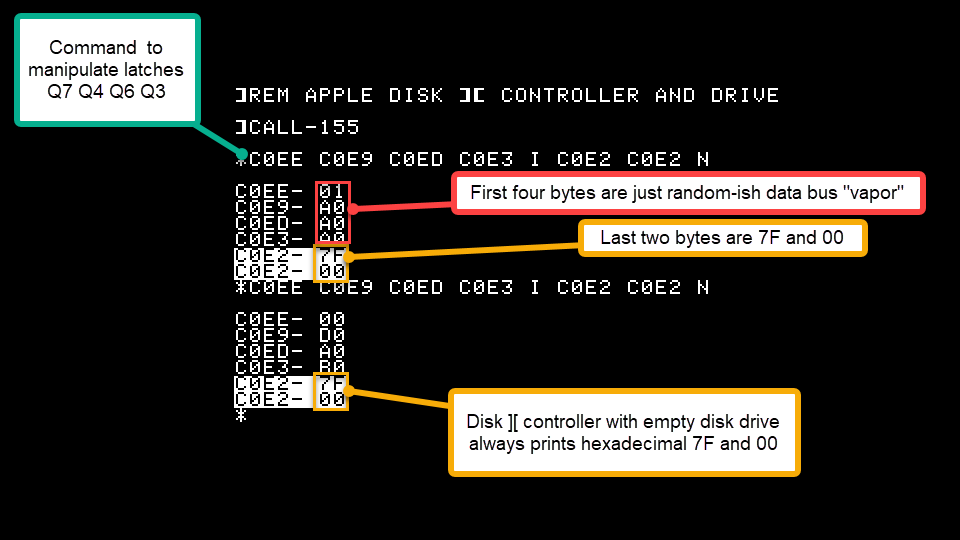
Apple hid a quirky feature inside its disk drives, a full-loop signal path via addressable latch Q1, via stepper phase-1, via the motor control board, via the write-protect switch, via the analog board in the disk drive, via the shift-right input into the data register, and back onto the bus.  This signal path can be used to distinguish between the various Apple II disk controllers.
  • Apple Disk II controller prints 2 inverse bytes: 7F 00
  • Micro Sci A2 controller prints 2 inverse bytes: 80 00
  • (untested guess) IWM in Apple //c: A0 20
  • (untested guess) IWM in Apple //c+: AF 2F [EDIT: this guess was wrong]
Tags: 

INFOCOM FONT

Infocom Font RC 1003.pdf

The first working(-ish) homemade MMU

Back in early march, I dug out my old Apple IIe computer from my parents's garage. That was a fantastic find and I wanted to play again all those games from my childhood. Unfortunately, the computer did not power on. While searching on the internet, I was sidetracked while reading on the MMU and IOU and their lack of replacements. And then I foolishly though that attempting to re-create the MMU and the IOU with a FPGA would be a good idea. Surely, it can't be that hard...

Pages

Subscribe to Blogs